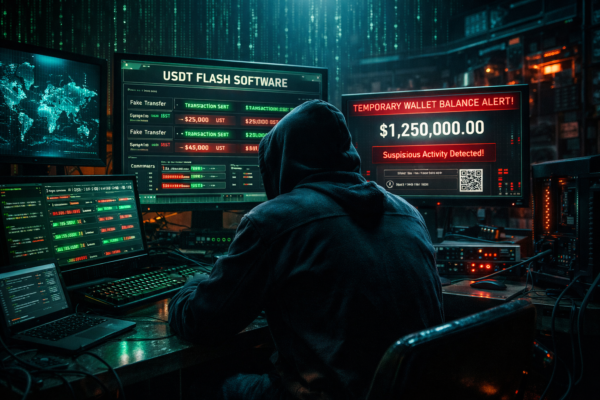
Introduction to USDT and Flash Software
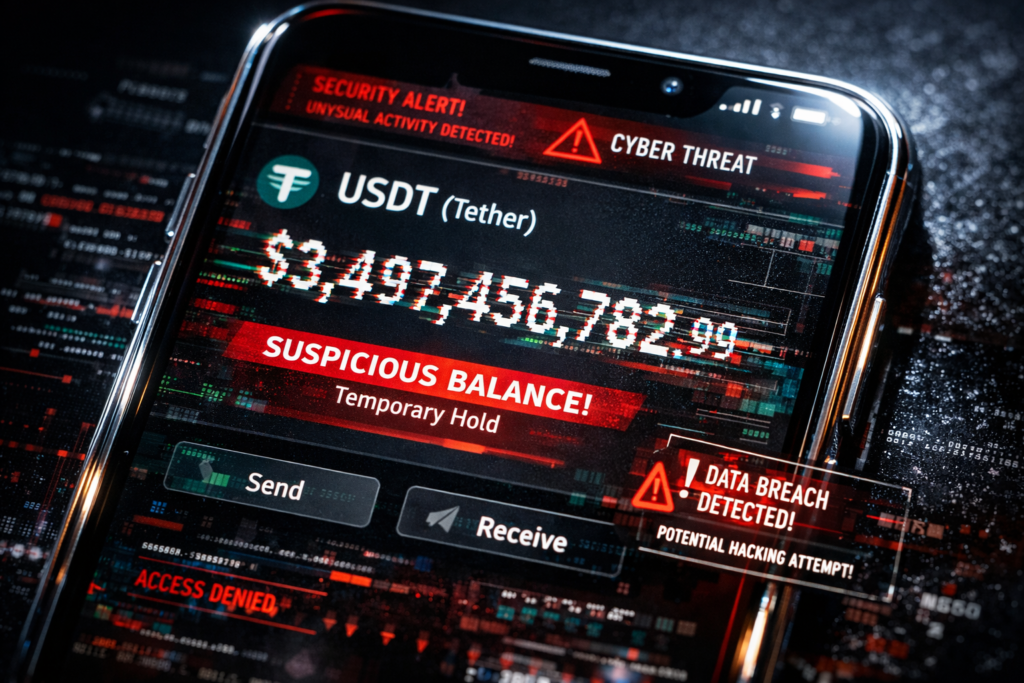
Let’s be honest for a second. The market is crowded. Every day, a new software tool promises to be faster, cheaper, and better. But most of them? They either overcomplicate things or underdeliver when it matters most.
That’s exactly why USDT Flash Software exists.
Cryptocurrency is exciting. It feels like the Wild West of finance—fast, innovative, and full of opportunity. But just like the Wild West, it also attracts illusions and traps. One phrase that keeps popping up online is “USDT flash software.” Sounds powerful, right? Almost magical. But what does it really mean?
Let’s slow things down and unpack this topic calmly, clearly, and honestly.
What Is USDT (Tether)?
USDT, also known as Tether, is a stablecoin. Unlike Bitcoin or Ethereum, it’s designed to stay stable. In simple terms, 1 USDT is meant to equal 1 US dollar. Traders love it because it’s predictable. No wild swings. No heart attacks every five minutes.
USDT runs on multiple blockchains like ERC20 (Ethereum) and TRC20 (Tron), making it fast and widely accepted across exchanges like Binance.
Why the Term “Flash USDT Software” Is Trending
Anywhere there’s money, there’s noise. The phrase “flash USDT” is trending because it promises shortcuts—instant balances, fast transfers, and “temporary” funds that look real. And humans love shortcuts.
But here’s the big question: Does blockchain even allow this?
Understanding the Concept of Flash USDT
What People Mean by “Flash USDT”
When people talk about flash USDT, they usually mean software that claims to:
Show USDT in a wallet temporarily
Make balances appear spendable
Work across exchanges like Binance
It’s often marketed as “testing,” “temporary liquidity,” or “developer tools.




Reviews
There are no reviews yet.