
The Allure of Chance and Uncertainty
The psychological appeal of gambling often stems from the allure of uncertainty and the possibility of an unexpected windfall. Humans have an innate attraction to risk and unpredictability, which can trigger a sense of excitement and thrill. For many, the idea that a small wager could lead to a life-changing payout creates a captivating narrative, engaging both the mind and emotions. This interplay between anticipation and chance keeps players returning to the table, drawn by the dream of what could be, such as placing their bets on nrl premiership betting events that elevate the excitement even further. The excitement of a potential win provides a powerful incentive to keep participating, even when the odds are stacked against them.
Addiction behaviors can be heightened by the variable rewards associated with gambling. Unlike a more predictable outcome, where the satisfaction may wane over time, the sporadic nature of wins in a casino can create a continuous cycle of hope and excitement. Players often find themselves in a state of heightened arousal, believing each spin of the wheel or flip of a card could yield the jackpot. This unpredictability fuels enthusiasm and can lead to what is known as the “near-miss effect,” where players erroneously perceive that they are closer to winning, thus encouraging continued gambling. The emotional highs from near-misses can further entrench players in this cycle, making it difficult to walk away.
The social environment of casinos also plays a significant role in enhancing this psychological allure. The sights and sounds of a bustling casino create an immersive atmosphere that amplifies the overall experience. Players are often surrounded by others who share similar hopes and dreams, fostering a sense of community. This communal aspect can diminish the perceived risks of gambling and promote a more carefree approach to betting, as individuals emerge not just as gamblers but as participants in a shared adventure. The combination of social bonding and the thrill of the game reinforces their commitment to the activity, making it a memorable experience.
The Role of Cognitive Biases
Understanding how cognitive biases influence gambling behavior is crucial in dissecting the psychology behind casino games. One prominent bias is the illusion of control, where gamblers believe they can influence the outcome of games of chance through skill or strategy. This misperception can lead to overconfidence, encouraging individuals to place bets they might otherwise avoid. Numerous players feel that by employing certain rituals or techniques, they can sway luck in their favor, which can deepen their attachment to the activity. Such beliefs can create a false sense of security, making players less cautious in their betting.
An additional cognitive phenomenon prevalent in gambling is confirmation bias. Gamblers often focus on instances that reinforce their beliefs, such as recalling prior wins or interpreting any success as evidence of skill. This selective memory can distort their understanding of the odds and the nature of gambling itself. Consequently, individuals might persist in their gambling despite clear evidence suggesting a losing streak, as they keep searching for that elusive win that confirms their perceptions. This cognitive distortion not only affects individual players but can also perpetuate harmful gambling habits within social groups.

The gambler’s fallacy further complicates decisions in casino environments. This fallacy arises when individuals mistakenly believe that past outcomes will influence future results, particularly in games governed by chance. For example, a player may assume that after a series of losses, a win is due, leading to riskier bets. These cognitive biases create a complex interplay of thought processes that can lead to potentially harmful gambling behaviors, emphasizing the need for awareness and understanding in the pursuit of responsible play. By recognizing these biases, players can better navigate their gambling experiences and make informed decisions.
The Emotional Roller Coaster of Gambling
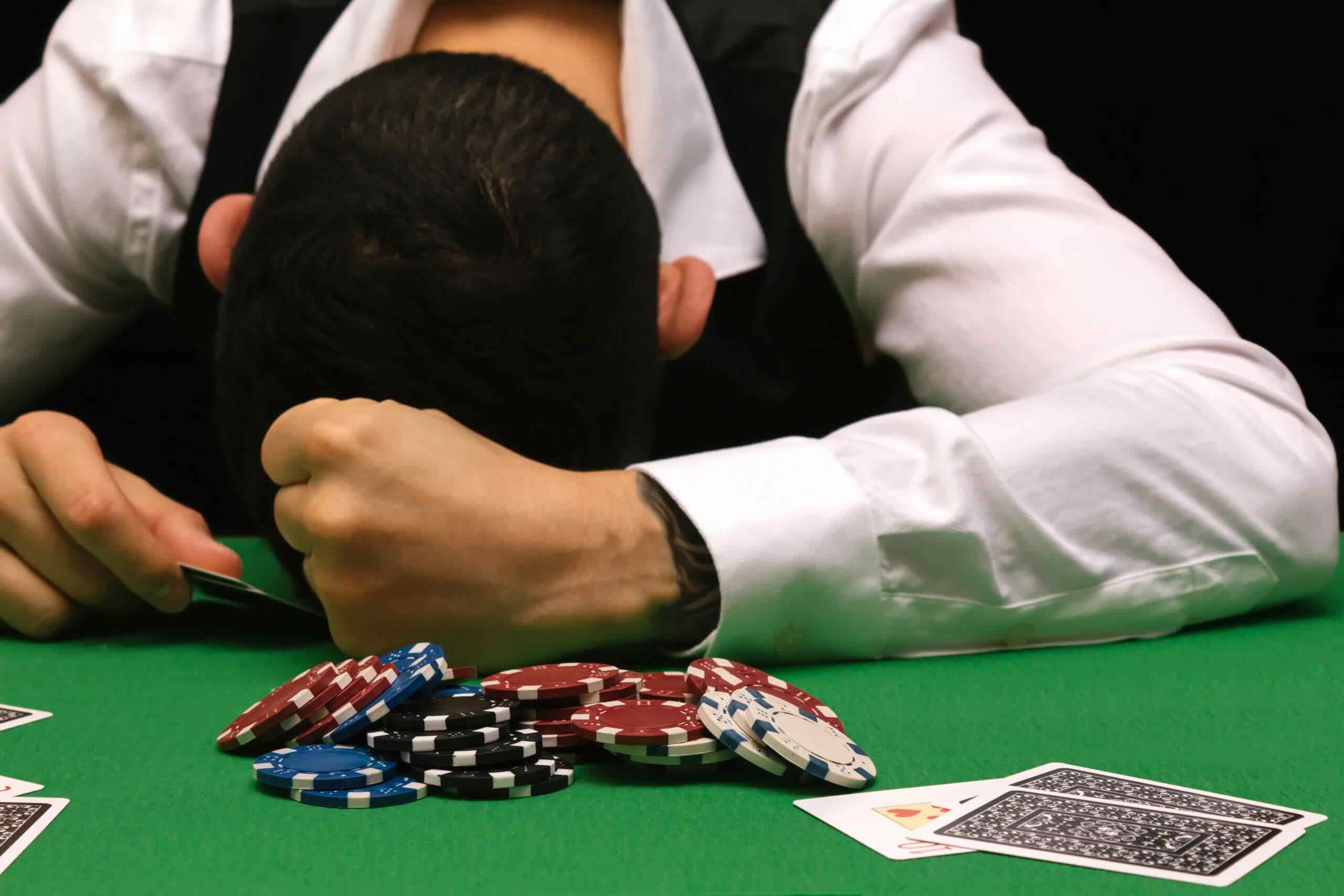
The emotional highs and lows associated with gambling contribute significantly to its psychological appeal. The thrill of winning can evoke feelings of euphoria, whereas losses can plunge individuals into despair. This roller coaster of emotions plays a central role in how people experience gambling, creating a dynamic that is hard to resist. Players often chase the euphoric highs, leading them to take risks they might not consider in other contexts. This emotional engagement can create a powerful draw to the gaming experience, making it challenging to walk away after a loss.
This cycle of emotion can create a powerful reinforcement loop. For many gamblers, the feeling of winning—even a small amount—can trigger a rush of dopamine, producing a euphoric state that reinforces the desire to continue gambling. Conversely, losses may lead to regret and frustration, yet they can also trigger the urge to gamble again in hopes of recovering those losses. This push-pull dynamic can make gambling addictive, as individuals find themselves trapped in a cycle of emotional response. The thrill of potential wins and the despair of losses can create a compelling narrative that keeps players engaged.
Moreover, the environment of a casino is specifically designed to heighten emotional experiences. Bright lights, engaging sounds, and the thrill of the game all contribute to a sensory overload that can intensify emotions. This carefully crafted atmosphere keeps players engaged for longer periods, feeding into the psychological mechanisms at work. Understanding this emotional influence is crucial for both players and those seeking to promote responsible gambling practices. By recognizing how emotions can drive decisions, players can develop strategies to manage their experiences more effectively.
The Impact of Social Influences
Social factors greatly impact an individual’s gambling behavior. The normalization of gambling within certain communities can lead to increased participation, often making it a significant aspect of social interaction. In many cases, individuals may find themselves gambling not just for personal enjoyment but as a means to connect with friends or family. This communal aspect can reinforce gambling behaviors and contribute to a culture where risk-taking is celebrated. Social gatherings centered around gambling can create an environment where the excitement is shared and amplified.
Peer pressure can also play a significant role, especially among younger gamblers. The desire to fit in or to impress can lead individuals to gamble beyond their means. This influence can manifest in various ways, from social gatherings centered around gambling to the sharing of stories that glorify wins while downplaying losses. Such an environment can undermine rational decision-making, pushing individuals toward more significant risks in their quest for social validation. The pressure to conform can lead to reckless gambling behaviors that individuals might not engage in otherwise.
It’s essential to recognize that social media has emerged as a new frontier for gambling influences. Platforms that promote gambling or share experiences can further blur the lines between fun and addiction. Users may feel compelled to share their gambling successes, creating an unintentional pressure for others to join in. This modern aspect of social influence highlights the importance of awareness regarding the impact of societal norms and peer dynamics in casinos and gambling in general. Understanding these social constructs can empower individuals to make more conscious decisions about their gambling habits.
Responsible Gambling Practices and Resources
Given the complex psychological dynamics at play in casino gambling, promoting responsible gambling practices is essential. Understanding one’s motivations, recognizing the signs of problem gambling, and knowing when to take a break can help mitigate the risks involved. Individuals must be aware of their limits and ensure they are engaging in gambling as a form of entertainment rather than a potential escape from reality. Setting personal boundaries and sticking to them is a crucial strategy for maintaining a healthy relationship with gambling.
Moreover, various resources are available for those who may find themselves struggling with gambling-related issues. Support groups, educational materials, and hotlines exist to provide assistance and guidance for individuals navigating their relationship with gambling. Many casinos have implemented responsible gaming initiatives, ensuring that players have access to tools and strategies to manage their gambling behavior effectively. Educating oneself about the risks and engaging with these resources can significantly improve one’s gambling experience.
Creating a culture of awareness and support surrounding gambling can empower individuals to make informed decisions. By fostering an environment that values responsible play and encourages transparency about the risks involved, both individuals and casinos can work together to minimize the negative impacts of gambling. Understanding the psychological underpinnings of gambling can lead to healthier attitudes and behaviors, allowing players to enjoy the thrill of the game without compromising their well-being. These efforts can cultivate a more responsible gambling culture that prioritizes player safety and enjoyment.